Neurofeedback - improve quality of life in a drug-free treatment

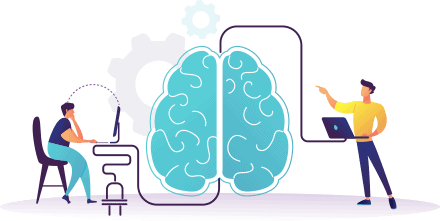
Neurofeedback is a treatment method that is done using advanced technologies such as electroencephalography (EEG) and helps patients influence and control different areas of the brain through positive feedback for desired types of brain activity through conditioning. Neurofeedback treatments are based on various studies in the field Neuroscience that links behavioral symptoms to the levels of function of different regions and brain waves.

Over 85% success!

Play Video

Treatment at the "EM HADERECH BrainGames" Institute - neurofeedback technology

The EM HADERECH – BrainGames Institute is a leader in the treatment of neurofeedback technology, a product of the development of the American space agency, which enables the treatment of neuropsychiatric problems such as attention and concentration, learning disabilities, anxiety, epilepsy, autism and more, without drugs.

The institute is an international center for advanced neurofeedback treatments both in the clinic and at the patient’s home through remote control.

QEEG test

Betterfly neurofeedback

Emotional therapy

What do we treat?

הפרעות קשב וריכוז

ADHD

What is attention deficit disorder? attention deficit disorder is a Neuro-developmental disorder, that contains the core

More info
נוירופידבק לטיפול בחרדה

Anxieties

What is anxiety? Anxiety is a common disorder that includes both physical and emotional expressions. The

More info
תסמונת אספרגר asd – טיפול באוטיזם

ASD

What is the autistic spectrum? Now days it is clear to everyone practicing in the communication

More info
טיפול בדיכאון

Depression

What is depression? Clinical depression or major depression is one of the most common disorders now

More info
טיפול בלקויות למידה

Learning disabilities

What is a learning disability, and how do you treat it? Under the term "learning disability",

More info
טיפול בפוסט טראומה

Post trauma

What is post-traumatic stress disorder? Post-traumatic stress disorder is an individualistic part case of an anxiety

More info
טיפול באפלפסיה

Epilepsy

What is epilepsy?  Epilepsy, often referred to as seizures disorder or "falling disease", is a brain

More info
MCI - טיפול בירידה קוגניטיבית מינימלית

MCI

What is MCI – mild cognitive impairment? As we age, there is a natural mild decline

More info
הפרעה טורדנית כפייתית OCD

OCD

What is obsessive compulsive disorder - OCD? Obsessive compulsive disorder, or OCD, is a unique anxiety

More info
תסמונת טורט וטיפול בטיקים

Tourette syndrome

What is Tourette's Syndrome? Many children suffer from tics in different severities. However, Tourette's Syndrome is

More info
טיפול באירוע מוחי

Stroke

What is a stroke?  to a certain area of the brain. The disruption can be caused

More info
טיפול רגשי

Emotional therapy

What is emotional therapy? Emotional therapy focuses on our feeling and emotions as human beings. Feelings

More info

Patients tell about us

David Peleg
Read More
Dear Merav and Eli, Thank you for an amazing year full of countless experiences Thank you for the help, giving and support of all the dear team. Thanks to you I am who I am, you prepared me, you helped me. And all this I want to say one thing - thank you very much, there is no one like you! David Peleg
Noam Menachem
Read More
Dear Eli and Merev Thank you for letting me flourish and thank you for an unforgettable time. Noam Menachem
The Shrem family
Read More
We would like to express our deep gratitude for the fact that it is possible for us to be tarnished otherwise! Thank you for your professionalism and close support. Thank you for the support and patience, the endless giving. In light of the success with the first son, we also came to you with the second son. The change in both of them is amazing and we are grateful for it. Keep up the good work. with much appreciation, The Shrem family
Nava
Read More
Our son suffered from attention and concentration problems, tantrums and tics. Thanks to the care he received from the A.M. Hagar Institute, we can write this in the past tense and for that we are happy and grateful. We started the process with a lot of concerns and a bit of skepticism, today our son no longer suffers from tics, is calmer and more focused in lessons. Merav and Eli are a lovely couple, who give their all with love and warmth to both the child and the parents. We are full of appreciation and happy that we were lucky enough to work with such professional owners and wish you success in the future. Nava
Jackie
Read More
To the dear Am Hare and Meriv team, Many, many thanks for the warm, dedicated and professional treatment. With great appreciation, Jackie, Hagit and Yehli Jackie
Shahar Goldstein
Read More
To the neuro team, I had a lot of fun coming every week, and being in the class. I'm sad to say goodbye and at the same time happy that you helped me train. Thank you very much for an amazing and fun year Shahar Goldstein.
The Eyal-Shoshan family
Read More
Dear Eli and Mirav, I had a great privilege to meet wonderful and amazing people with the ability to listen and give and a lot of love! We love you very much, the Eyal-Shoshan family Eyal-Shoshan family
The Davidi family
Read More
Dear Mirav and all the lovely staff, We would like to express words of appreciation for the successful treatment, the personal treatment and the commendable work. I feel the result very well!! We want to thank you for all of this. Thank you, The Davidi family
Previous
Next

The treatment process - how does it work?

QEEG test

Locating the source of the difficulty The most accurate test in the world according to the FDA


Move Icon

Building a personal plan

Building a personal training plan based on the results of the test


Move Icon

The workout

Computerized brain training from the clinic or from home to improve function


General explanation of the treatment

Have you considered undergoing neurofeedback therapy? It is very important to examine and carry out comprehensive research on the options and potential treatment institutes, to help you reach the best result we have prepared for you comprehensive information that you can read about regarding the neurofeedback technology, the treatment itself and how it is conducted at our institute, and answers to common questions that many patients ask us and we think can help you!


What is neurofeedback?

Neurofeedback is based on advanced technology that combines the neural activity in the brain – neuro – with providing feedback on this activity – feedback and improving brain wave control.

In its other name, neurofeedback, measures brain activity in real time by using electroencephalography or hemoencephalography, in order to make the patient train and learn to control his brain wave activity by providing positive feedback for different types of brain activity, and negative feedback on unwanted brain activity.

– The activity of the electric waves that exist in the brain of each of us affects all areas of our lives – thoughts, feelings, behavior and more. When this activity is not normal, we experience various difficulties – attention and concentration difficulties, learning disabilities, anxiety, communication problems, mood problems and more.

Neurofeedback therapy technology trains the brain waves and through positive feedback allows them to change and function in a more normal way.

What is behind the neurofeedback technology?

One of the most important experiments in the field of psychology was done by a scientist named Pavlov who was able to make a dog salivate at the sound of a bell alone without any food around. He accomplished this by giving positive feedback (food) every time a bell rang until the dog’s brain associated the two. Since then we refer to this process as “conditioning”.

Another theory discusses learning by imitation – modeling. This learning, which is basic and an important developmental stage in every child’s life, takes place when the child observes the adult’s behavior, waits for him, receives positive reinforcement for this, repeats the action over and over again, and thus the brain assimilates positive behavior and makes it a part of him. For example: when the teacher teaches writing, she draws the letter “a” on the board and then asks the class to draw the letter in a notebook. The teacher goes through the students and praises them for a good drawing, gives a sticker, claps, etc. At this stage the brain “understands” that it has done something good and the feeling of positive reinforcement is pleasant to it. The teacher repeats the process several times and the brain gets stronger in its motivation to succeed in the task to get the reinforcement. In the next step, the teacher asks the students to fill in an entire page with the letter “A”. This action assimilates and fixes the signal in the brain and hence it will be with him forever.

The scientists at NASA who developed the neurofeedback technology relied on these theories and artificially created these conditionings and learnings in the brain and thus developed a way to get the brain to change its activity in a positive, user-friendly and very efficient way

A little history about the treatment

Joseph Kamiya (1958) was able to condition alpha waves to specific images and in a later experiment alpha waves to the ringing of a bell.

Sterman & Wyrwicka (1967), in an experiment on cats, conditioned specific electrical activity to the presented stimulus of milk.

Lubar from UCLA University, tested the effect of increasing SMR waves on epilepsy and showed that the frequency of epilepsy attacks decreased among the recipients of the training compared to the control group, but another finding he discovered is that the students improved their attention and concentration abilities and academic achievements.

– Following Lubar’s research, a NASA study found a link between jet fuel and epileptic seizures. It was found that among cats that were exposed to the jet fuel and underwent training to increase SMR, the frequency of epileptic seizures decreased, while those that were not exposed to training experienced more seizures.

– Later, the technology was introduced to NASA in order to improve the cognitive abilities of astronauts, a connection was found between SMR waves and a state of high alertness and lack of movement during times of sleep but also during times of wakefulness and panic when the body does not respond – high mental functioning ability and alertness in a calm body.

Over the years, technology has developed significantly and today allows us to address each difficulty and problem specifically and adapt a focused treatment plan that by providing positive reinforcement will change the way of activity and allow a person to enjoy a higher quality of life. The training is done in front of a computer while watching enjoyable content – nowadays you can watch any show/movie/series on the net – the brain waves receive positive feedback on positive activity while watching the movie and thus change their way of activity. As you persist in training, the activity becomes regular and remains regular even many years after the end of the treatment process

We have specially prepared for you an answer to all the questions and answers regarding neurofeedback therapy with the advanced technology at the institute and in general.

How long does the treatment last?

As in any learning process that has undergone assimilation, also in this treatment, after the brain has faced the change in its activity, the change remains forever.

From many studies conducted around the world, it appears that in cases of attention and concentration disorders, preservation of the results is observed even after ten years from the end of the treatment. Since the field is still young, longitudinal studies are still being conducted and their results will be published in a few years.

We at the clinic witness reports of success several years after the end of the treatment. Many patients say that the success of the treatment even increases over time because the patient experiences successes and receives positive feedback from the environment (school, parents, spouses, etc.) which continue the learning process of the brain, improving self-confidence and self-image.

What are the success rates of the neurofeedback treatment method?

The world literature reports about 85% success in the treatment of ADHD upon completion of treatment and a similar percentage in tests after several years. After about fifteen years of experience with patients in Israel it can be said that there is almost no patient whose quality of life has not improved dramatically. It is known that the percentage of success following drug treatment reaches a rate lower than 70% and there is almost no success after the end of taking the drug.

What needs to be done to start neurofeedback treatment?

To start neurofeedback treatment for ADHD or any other problem, a diagnosis is made through a scan of the brain activity, just like an EKG test for the heart, the purpose of which is to see which area of the brain is not functioning properly. The results are compared to a global database according to gender and age (can be diagnosed from the age of 6). The analysis of the results is quantitative and from it we build a personal treatment protocol for each patient.

Questions and answers about neurofeedback

מרבית הסיבות לפנייה לטיפול רגשי הינן תחושות חוסר הצלחה, תיסכול, דימוי עצמי נמוך, קשיים בתקשורת חברתית, מצב רוח ירוד ועוד. הליך הטיפול בנוירופידבק משפר את יכולות המוח וכתוצאה מכך את יכולות המטופל אשר חווה הצלחות, תחושות של עשייה ושמחה, יכולות ארגון ותפקוד טובות יותר ויכולת זיכרון ושליפה טובות יותר.  תחושות אלו, בשילוב עם ההדרכה וההכוונה שאנו מספקים במהלך כל שלבי טיפול נוירופידבק, מייתרים את הצורך בפנייה לטיפולים נוספים ומפנים זמן איכות משפחתי/זוגי רב.

כמו בכל תהליך למידה שעברה הטמעה , גם בטיפול נוירופידבק, לאחר שהמוח הפנים את השינוי בפעילותו, השינוי נשאר לתמיד. ממחקרים רבים שנערכו ברחבי העולם עולה כי במקרים של הפרעות קשב וריכוז נצפה שימור של התוצאות גם לאחר עשר שנים מסיום טיפול נוירופידבק. מכיוון שהתחום עדיין צעיר מחקרי אורך עדיין נערכים ותוצאותיהם יתפרסמו בעוד מספר שנים. אנו בקליניקה עדים לדווחים על הצלחה מספר שנים לאחר סיום הטיפול. מטופלים רבים מספרים כי הצלחת הטיפול אף הולכת וגדלה עם הזמן היות והמטופל חווה הצלחות ומקבל משוב חיובי מהסביבה (בית ספר, הורים, בני זוג ועוד) אשר ממשיכים את תהליך הלמידה של המוח, משפרים את הבטחון העצמי ואת הדימוי העצמי.

טיפול נוירופידבק מסתיים בדרך כלל כאשר המטופל חש הטבה משמעותית בסמפטומים מהם סובל ,הטבה אשר עונה על ציפיותיו טרם הטיפול וכאשר המטפל רואה כי המוח הפנים את ההתנהגות החדשה. במרבית המקרים חשים שיפור בסמפטומים לאחר 10-20 מפגשים וככל שנמשכים המפגשים השיפור גדל. מספר המפגשים הסופי הינו פונקציה של הבעיה ממנה סובל המטופל, של עמידות הקושי וחומרתו ושל הפרוטוקול הטיפולי הייחודי לו. אנו שואפים להגיע למספר טיפולי נוירופידבק קטן ככל האפשר עם תוצאה מוצלחת ככל האפשר אשר תישאר לאורך זמן.

באופן כללי כל אדם באשר הוא יכול להנות ולהפיק תועלת מטיפול בטכנולוגיית נוירופידבק. הטיפול נמצא יעיל ביותר במקרים רבים של הפרעות נוירולוגיות אשר להן ביטוי בפעילות גלי המוח כגון אפילפסיה, חרדה, דיכאון, טראומה, אוטיזם, לקויות למידה, תסמונת טורט, הפרעה טורדנית, ארועים מוחיים, ירידה קוגניטיבית ועוד. כל אדם הסובל מאחד או יותר מהקשיים הנ”ל יכול להעזר בטכנולוגיית נוירו פידבק לצורך קבלת הטבה משמעותית במצבו. זאת ועוד, טכנולוגיית נוירו פידבק משמשת כיום גם כדרך לשיפור ביצועים אצל אנשים אשר אינם סובלים מהפרעה כלשהי אלא מעוניינים לשפר את תיפקודם, למשל מוזיקאים, ספורטאים, רופאים מנתחים ועוד.

אין כל מניעה להתחיל טיפול בנוירופידבק בזמן נטילת תרופה כגון ריטלין או כל תרופה אחרת. הטיפול יהיה יעיל בכל מצב ובשלב מסויים תהיה אפשרות להפחית ואף להפסיק את נטילת התרופה, היות ונוצר שינוי בפעילות המח והוא אינו זקוק עוד לעזרה חיצונית. בשלב זה נפנה את המטופל לרופא המטפל לצורך החלטה על הפסקת הטיפול התרופתי.

טיפול זה הינו אימון למוח כמו חדר כושר לשרירים. עם התקדמות המפגשים מתחילים לראות הקלה בסמפטומים עליהם התלונן המטופל וככל שהטיפול נמשך השיפור הופך לברור ומשמעותי יותר. בסיום הטיפול ניתן לבצע אבחון נוסף ובו לראות את השינוי בפעילות גלי המוח.

במהלך המפגש המטופל יושב מול מחשב ורואה סרטונים/סרטים להנאתו ולפי בחירתו. הסרט/סרטון מהווה אמצעי ללמידת המוח. בזמן הצפייה בסרטון/סרט מוצמד חיישן לראשו אשר קורא את הפעילות המוחית בנקודה בה נמצא ומשדר אותה לתוכנת המחשב. כאשר התוכנה מאתרת גלי מוח “טובים” ונותנת לו משוב חיובי והסרט/סרטון נצפה באיכות תקינה. כאשר התוכנה מאתרת גלי מוח לא רצויים, “רעים”, הסרט/סרטון הופך למטושטש ואיכות הצפייה אינה טובה. המוח , אשר שואף לראות את הסרט/סרטון המעניין בצורה תקינה , לומד עם הזמן לייצר גלים “טובים” וכך לומד לשנות את אופן פעולתו לכיוון הרצוי.

טיפול נוירופידבק אינו מסוכן כלל כל עוד מדובר באיש מקצוע מיומן ומוסמך בתחום. בטיפול אין כל פעילות פולשנית ואין הכנסה או הוצאה של משהו למוח. המכשיר קורא בלבד פעילות מוחית חשמלית שמתרחשת אצל המטופל.

בקרב ילדים ניתן להתחיל טיפול נוירופידבק מגילאי 6 ומעלה, למעט מקרים חריגים בהם ניתן להתחיל בגיל צעיר יותר. בקרב המבוגרים אין הגבלת גיל, ניתן לבצע את הטיפול בכל גיל.

הספרות העולמית מדווחת על כ 85% הצלחה בטיפול בהפרעות קשב וריכוז עם סיום טיפול נוירופידבק ואחוז דומה בבדיקות לאחר מספר שנים. לאחר כחמש עשרה שנות ניסיון עם מטופלים בארץ ניתן לומר שכמעט ואין מטופל אשר איכות חייו לא השתפרה בצורה דרמטית. ידוע כי אחוזי ההצלחה בעקבות טיפול תרופתי מגיעים לשיעור נמוך מ 70% ואין כמעט הצלחה לאחר סיום נטילת התרופה.

נוירופידבק – הטיפול מבוסס על למידה באמצעות התנייה קלאסית. ניתן משוב חיובי למוח בתגובה לפעילות תקינה שלו וכך אנו עוזרים לו לשנות את פעילותו בכדי שיעבוד בצורה תקינה. הטיפול אינו מערב אמצעים פולשניים: לא מעבירים שום זרם חשמלי, ולא מכניסים או מוציאים למוח שום חומרים. הדבר דומה לילד הלומד לשחות. אנו מלמדים את התנועות ומחזיקים כדי שלא יטבע. כשהילד מצליח להחזיק עצמו מעל המים לבדו, זהו משוב חיובי המעודד את המשך השחייה ואת השיפור ביכולות. תירגול התנועות מקבע את הלמידה ולכן אף פעם לא שוכחים איך לשחות. כך גם המוח מרגע שלמד את ההתנהגות החדשה אינו שוכח אותה.

ביופידבק הינו טיפול המבוסס על נתינת משוב לצורך למידת התנהגות חדשה . בטיפול זה המשוב ניתן בתגובה לביצועים גופניים כמו דופק, לחץ דם ועוד ומצריך למידה מודעת של המטופל. נוירופידבק גם הוא מבוסס על מתן משוב כאשר המשוב ניתן על פעילות המוח ללא קשר לשתוף הפעולה של המטופל.

לפני תחילת כל טיפול נוירופידבק עורכים סריקה של הפעילות החשמלית המוחית,  ממש כמו בדיקת א.ק.ג ללב, שמטרתה לראות איזה אזור במוח אינו פועל בצורה תקינה. את התוצאות משווים לבסיס נתונים עולמי על פי מין וגיל (ניתן לאבחן מגיל 6) . נתוח התוצאות הינו כמותי וממנו אנו בונים פרוטוקול טיפולי אישי לכל מטופל.

בדרך כלל מספיקים בין 10 ל-20 טיפולים עד שהמטופל שם לב להבדל ולעובדה שהוא מצליח לשלוט טוב יותר בהפרעת קשב וריכוז שלו או בכל בעיה אחרת שבעקבותיה הוא פנה. זה נובע מכך שהשליטה בפעילות המוחית ובגלי המוח שלו השתפרה.

אצלנו במכון אנחנו מבצעים טיפולים במגוון של הפרעות ומצבים שאנשים חווים. בין אלו: הפרעות קשב וריכוז, חרדות, תסמונת אספרגר, דיכאון, לקויות למידה, פוסט טראומה, אפילפסיה, ירידה קוגנטיבית מינימלית, הפרעת OCD, תסמונת טורט וטיקים, אירועים מוחיים וטיפולים רגשיים.