Table of Contents
What are the causes of attention deficit disorders?
Lately, there has been a sharp rise in number of diagnosed cases of attention deficit disorders, and following this, appeared a question – is there a need to elaborate on the causes of ADD, besides the known causes up until now.
As a result, the fact that there are multiple risk factors that may worsen the symptoms of ADD became more popular, and the understanding of these factors can leads to decreasing this phenomenon.
Causes for attention deficit disorders – physiology
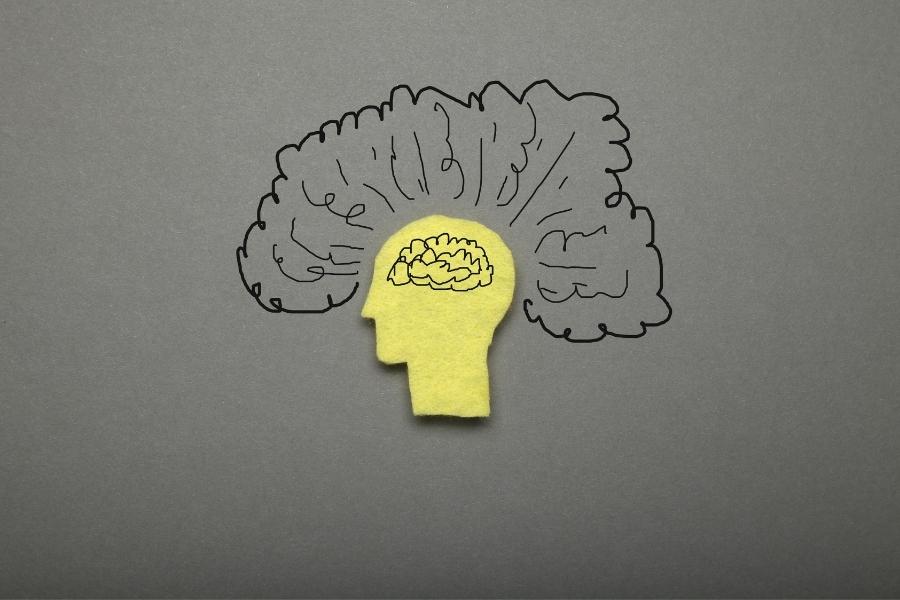
Biology: studies conducted in the field proved that there is a biological foundation for ADD, including mutation in the genome that is linked to the disorder.
Genetics: the genetic component in ADD is considerable, and if there is a family member suffering from ADD, there is a 25% chance that another close family member will suffer also. In some studies, it has been found that the odds of identical twins both developing ADD is much higher than unidentical twins.
Neurological: neurological studies based on MRI scans of the brain, found that there are anomalies in the prefrontal cortex, responsible for management functions. Additionally, differences were found in volume and structure of the brain between kids with ADD and kids without it. Further differences were found in the neural network of the brain for people with ADHD that were consistent with struggles with memory and attention.
Causes of attention deficit disorders – environmental
Fetal influences: there are prebirth factors that increase the risk of attention deficit disorders. Such as, drug use, exposure to extremely stressful situations, high blood pressure, maternal depression during and after the pregnancy, medications such as anti-depressants and smoking. In addition, it has been found that autoimmune diseases of the mother can increase the risk for ADD in the child.
Labor complications: early labor, preemie and low weight are risk factors for ADD.
Sleeping habits: insufficient sleep for the baby can cause ADD.
Diet and malnourishment: studies have found that industrial foods, food coloring and unhealthy drinks contributes to the increasing of the symptoms and removing them from the menu can ease them significantly.
The meaning of attention deficit disorders
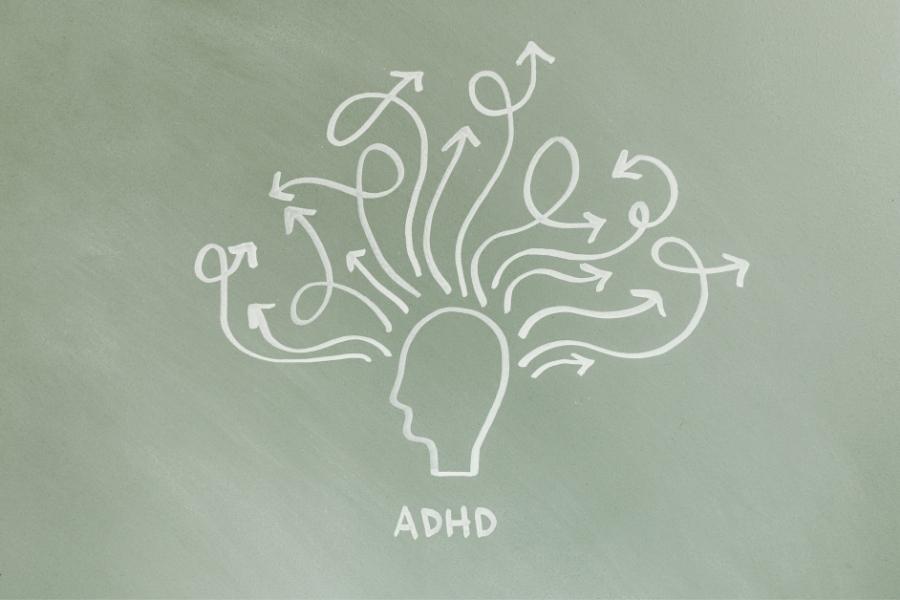
Handling kids with ADD is not simple and is often a source of difficulty and frustration for both parents and kids. That is the reason it is highly important to diagnose the disorder at an early age and spare the kid and the family years of suffering.
An undiagnosed disorder of ADD can contribute to low self-esteem, social difficulties and personal struggles – and can even lead to depression.
In the state of suspecting ADD, it is better to turn to a pediatrician or family doctor, who will refer you to a neurologist or psychiatrist.
Many people, especially parents, fear the diagnosis in order to not deal with the medications. But it is important to know that nowadays, it is possible to treat ADD without Ritalin, and in fact there are a few methods of treating without medication.
A lifestyle balance of physical activity, regulated sleep and a healthy diet can significantly contribute to the decrease of the symptoms, in parrel with neurofeedback therapy.
Neurofeedback is an advanced and scientifically proven technology that helps the brain to alter it’s ways, and doing so improves the symptoms and the quality of life of the kid and his surroundings.
Approaching the BrainGames institute, which specializes in treating ADD with Neurofeedback [from the clinic of from home], can be a first step in your new life.